In most countries, a bar is a business. In Ireland, the pub is an institution — as essential to community life as the church, the school, or the post office. To close a pub is to remove a piece of social infrastructure that nothing else can replace. Understanding why requires looking at what the pub actually does, beyond serving drinks.
More Than Four Walls and a Counter
The Irish pub has always been multifunctional. In the nineteenth century, many publicans were also grocers, undertakers, or auctioneers. The pub doubled as a meeting hall, a courtroom, and an employment exchange. Deals were struck over pints. Disputes were settled by the barman. News arrived at the pub before it appeared in any newspaper.
That tradition of the pub as civic space persists. Rural pubs still serve as de facto community centres, hosting everything from charity quizzes to local council meetings. The publican remains one of the most trusted figures in Irish life, a person who knows everyone's business and keeps most of it to themselves. As the cultural history of the Irish pub shows, this role has deep roots stretching back centuries.
The Social Safety Net
For people who live alone — and in rural Ireland, that's a significant number — the pub is often the only regular social contact they have. The farmer who drives ten kilometres for a pint on a Thursday night isn't coming for the alcohol. He's coming because the alternative is another evening of silence. The pub gives him a place in the world, a stool with his name on it, and people who'll notice if he doesn't show up.
This function has become more visible as Ireland confronts its mental health crisis. Organisations working on rural isolation have recognised the pub as a frontline resource — a place where loneliness is noticed before it becomes crisis.
The Threat of Closure
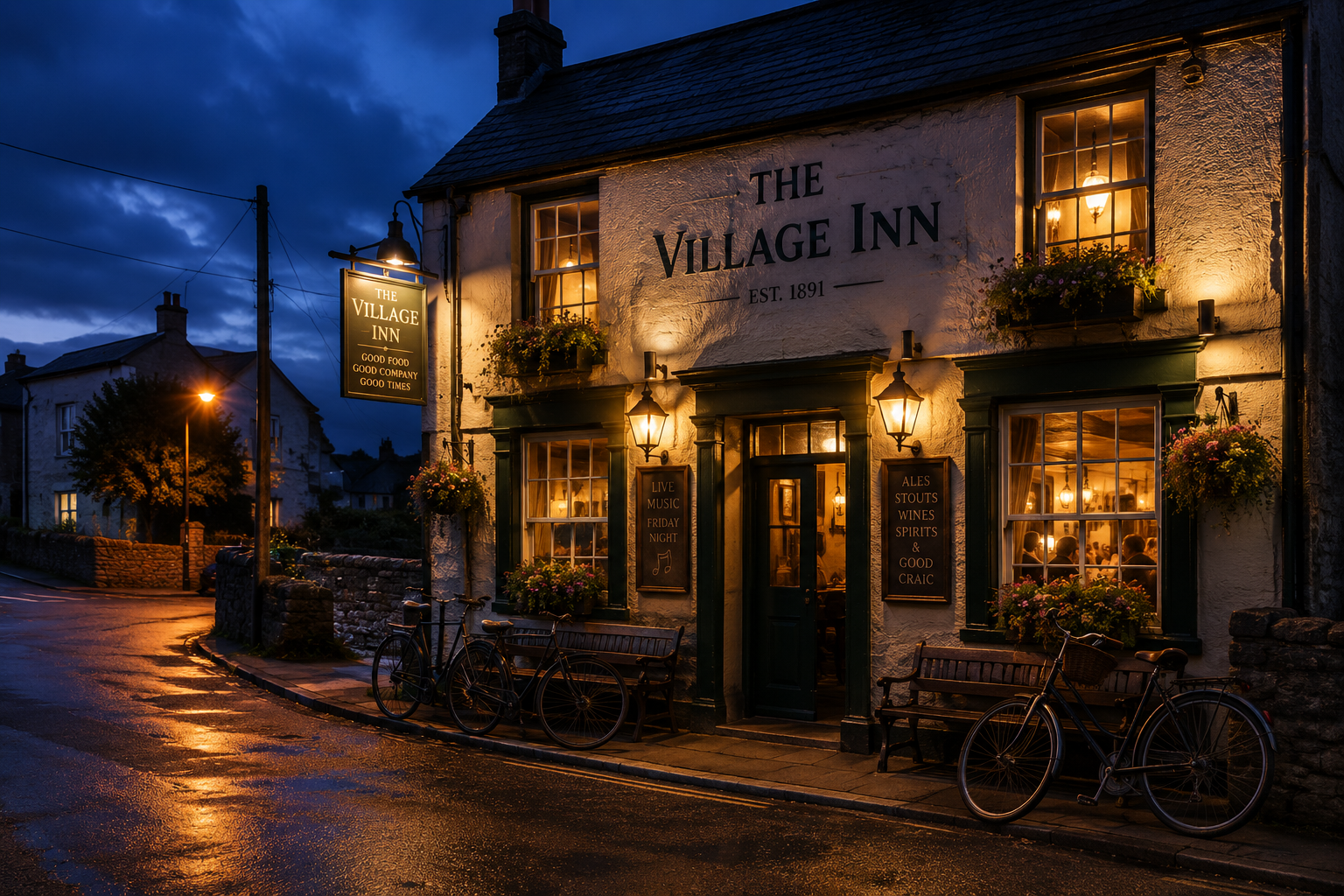
Ireland has lost thousands of pubs in the last two decades. Rising costs, changing habits, drink-driving laws, and the smoking ban have all taken their toll. When a pub closes in a village, it's not just a business that goes — it's the meeting place, the music venue, the place where funerals are gathered after and matches are debated before. Nothing fills that gap. The community hall is too formal. The church is too structured. The house is too private.
Why It Still Matters
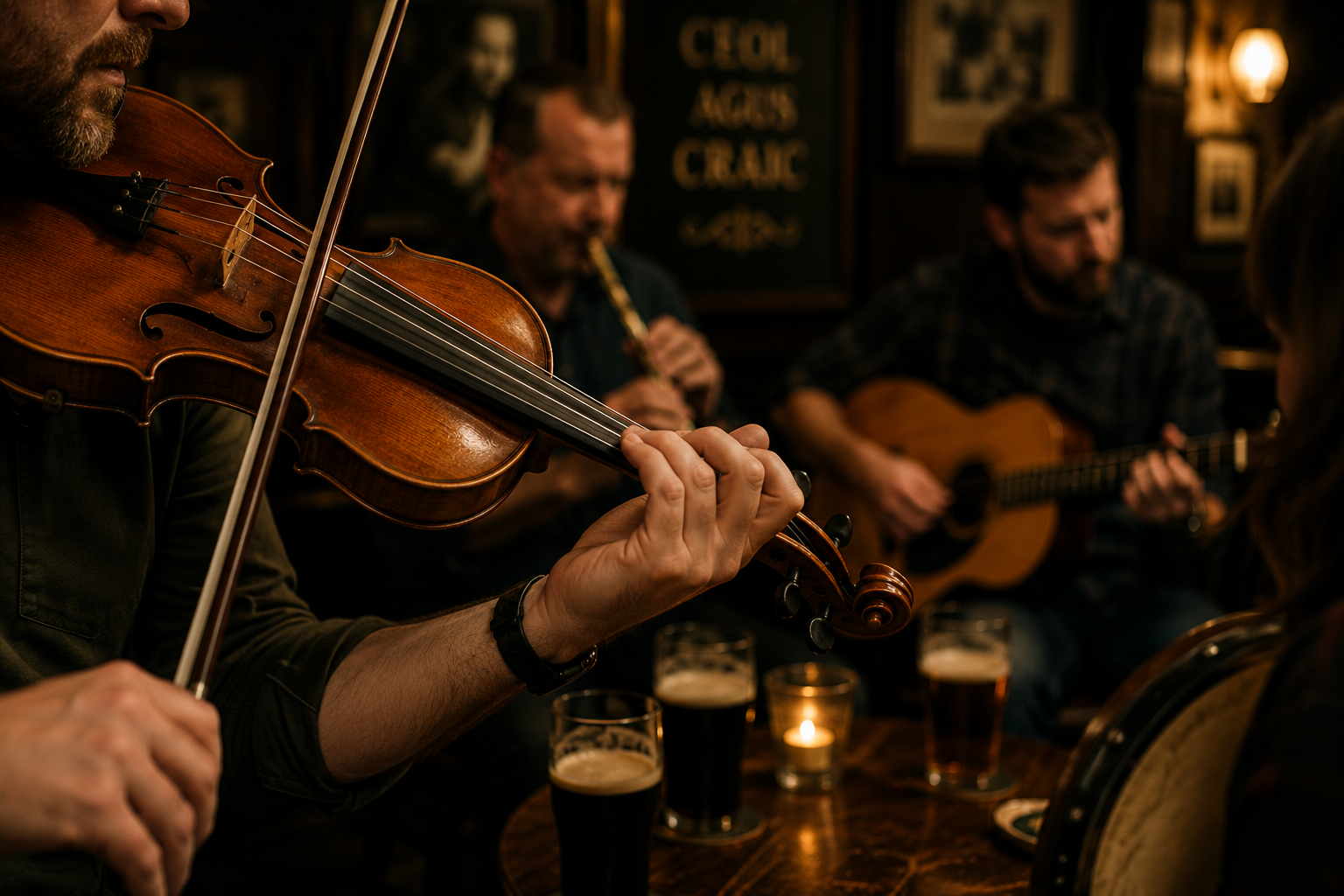
The pubs that survive are the ones that understand their role. They're not just selling drink — they're selling belonging. They host the trad session and the book club, the retirement party and the election count. They're open on Christmas Day for those who have nowhere else to go. The Irish pub, at its best, is democracy in action: a space where the doctor sits beside the plasterer and neither outranks the other. That's not nostalgia. That's a blueprint for community that the rest of the world could learn from.