Nobody hands you a rulebook when you walk into an Irish pub. That's by design. The etiquette is absorbed rather than taught, passed down through observation and the occasional raised eyebrow. But the rules exist, and breaking them — while rarely fatal — will mark you as someone who doesn't quite understand how things work.
The Round System
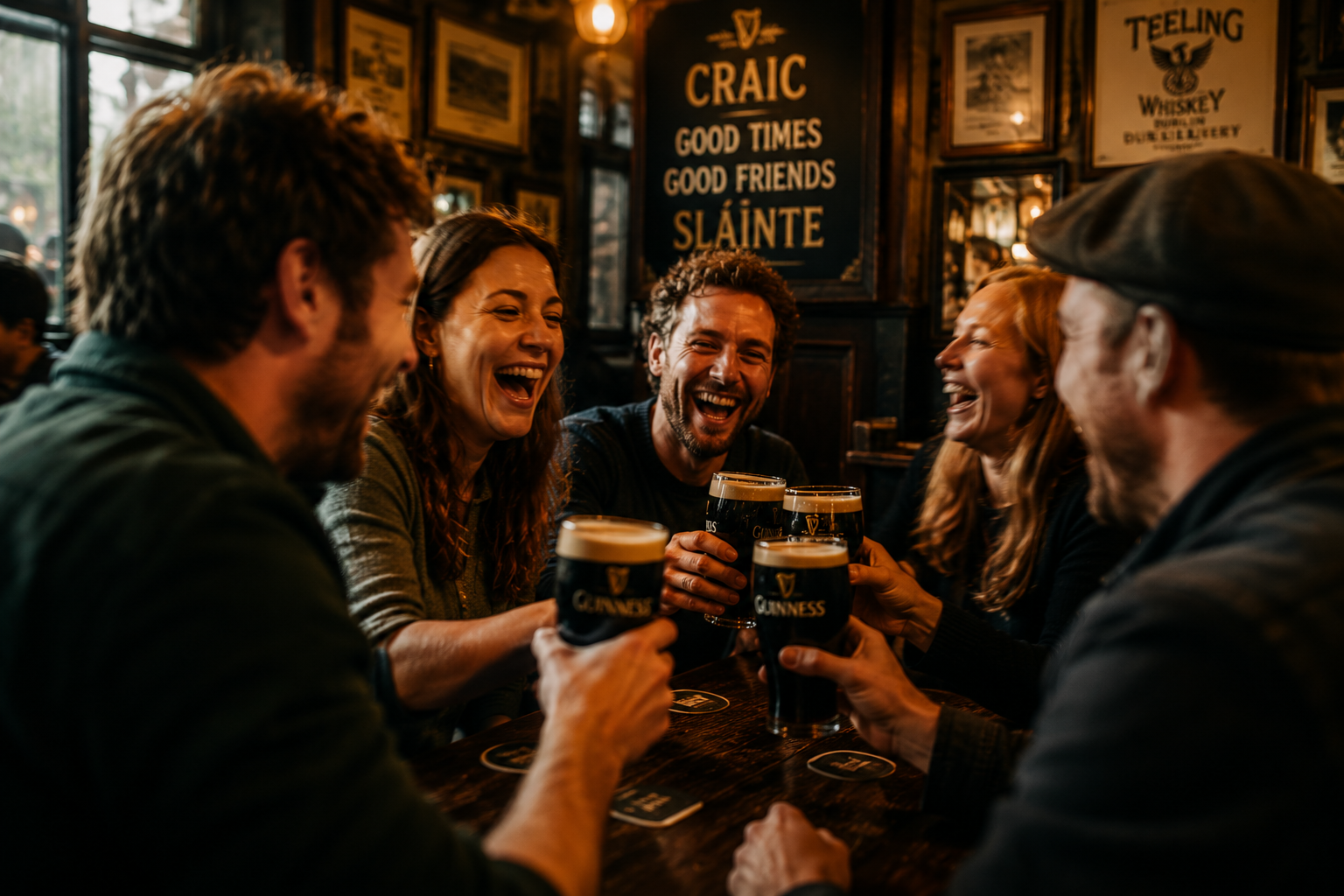
Buying rounds is the cornerstone of Irish pub culture. When you're drinking with a group, each person takes a turn buying for everyone. The order doesn't matter, but participation does. Skipping your round is remembered. Buying your round early is appreciated. Insisting on buying every round is suspicious — people will think you're up to something.
The system isn't about money. It's about reciprocity, a social contract that says: I'm here, I'm part of this, I'll do my bit. Refusing to participate — insisting on buying only your own drinks — isn't rude exactly, but it puts a distance between you and the group that's hard to close.
Where to Sit
Every pub has its regulars, and every regular has their spot. The stool at the end of the bar, the table by the window, the corner near the fire — these are claimed territories, not by aggression but by decades of habitual use. If you sit in someone's spot and they arrive, you'll know. They won't say anything directly, but the barman might nod toward a different seat, or the regular will simply stand nearby until the discomfort becomes mutual.
The safest bet as a newcomer: sit in the middle of the bar, where nobody has a claim, and let the geography reveal itself.
Ordering and Waiting
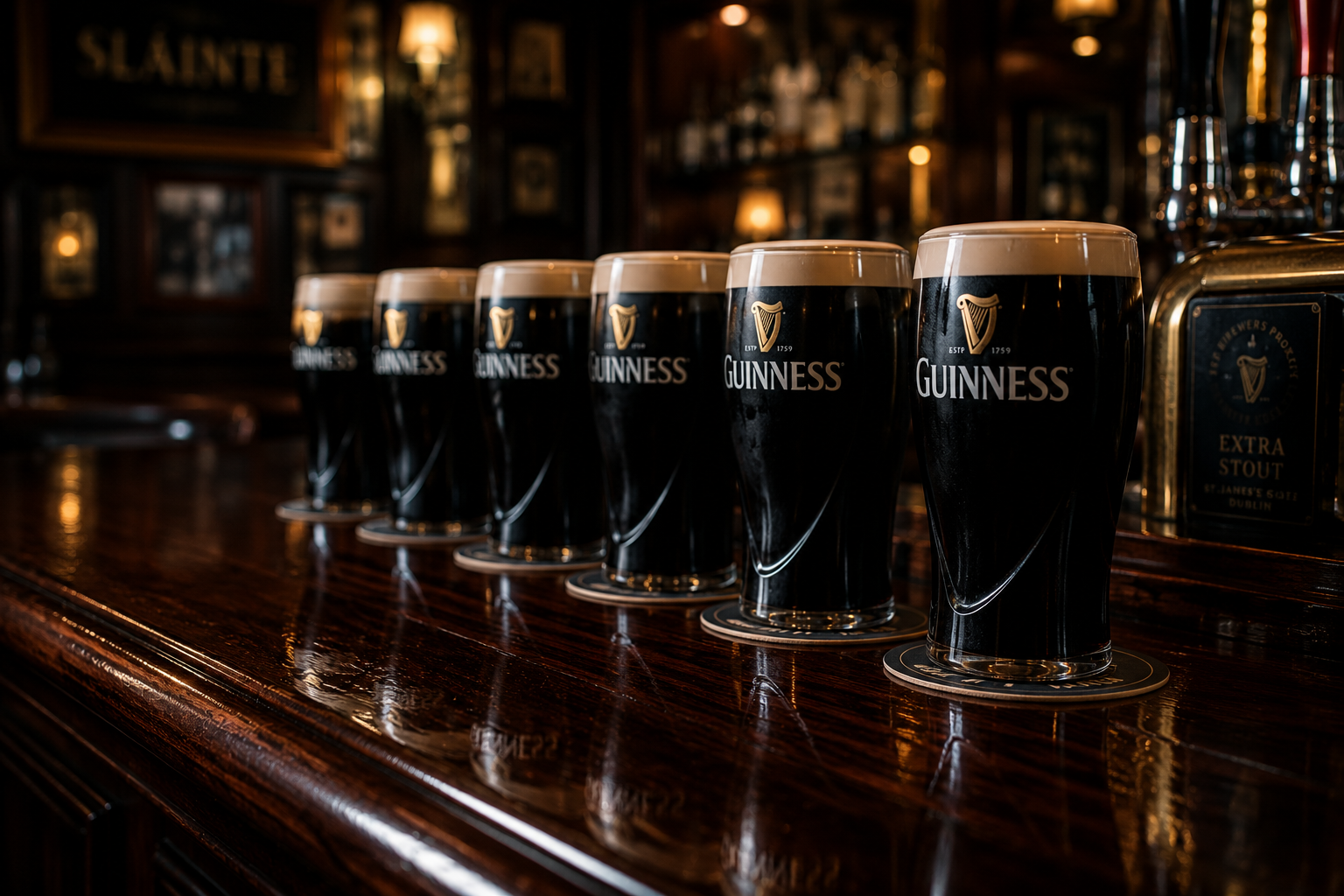
Irish barmen and barwomen have a preternatural sense of who's next. Don't wave money, don't snap fingers, don't shout. Make eye contact, give a small nod, and wait. They know you're there. The Guinness takes time — about two minutes for a proper two-part pour — and rushing it is a mark of the uninitiated.
Tipping at the bar is appreciated but not expected in Ireland. If you're staying for the evening, buying the barman a drink toward the end of the night is a more Irish gesture than leaving coins on the counter.
The Closing Conversation
"Will you have another?" is a question loaded with meaning. If it's near closing time and someone asks, they're offering more than a drink — they're offering another hour of company. Accepting is a compliment. Declining is fine, but do it with grace. The Irish goodbye — slipping out without announcement — is perfectly acceptable and sometimes preferred. No long farewells, no drama. Just a quiet exit and a nod to the barman on the way out.